

The global healthcare landscape is changing rapidly. We are facing an aging population, rising chronic diseases, and a constant threat of new health crises. Yet, the foundation of our healthcare system—our medical professionals—is under immense pressure.
To build a resilient future of healthcare, we must focus on the root of the system: healthcare education.
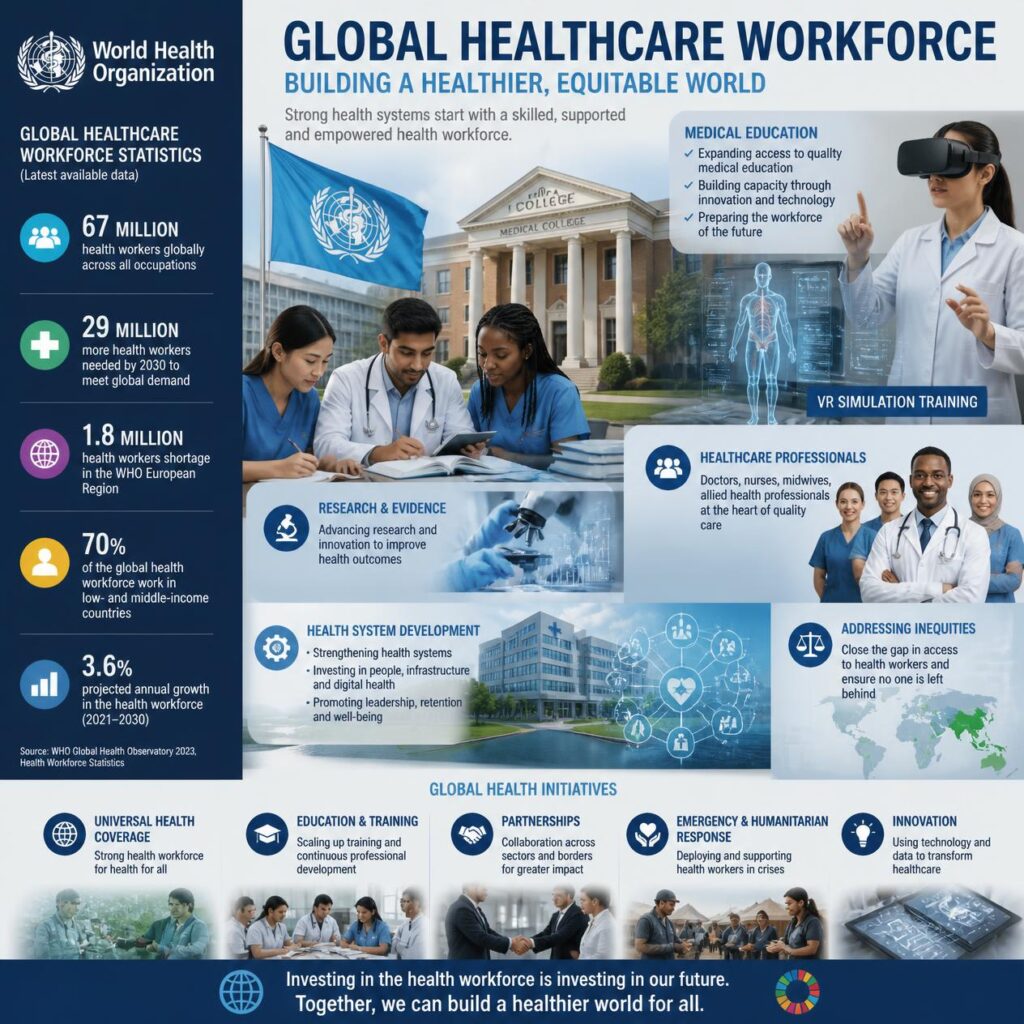
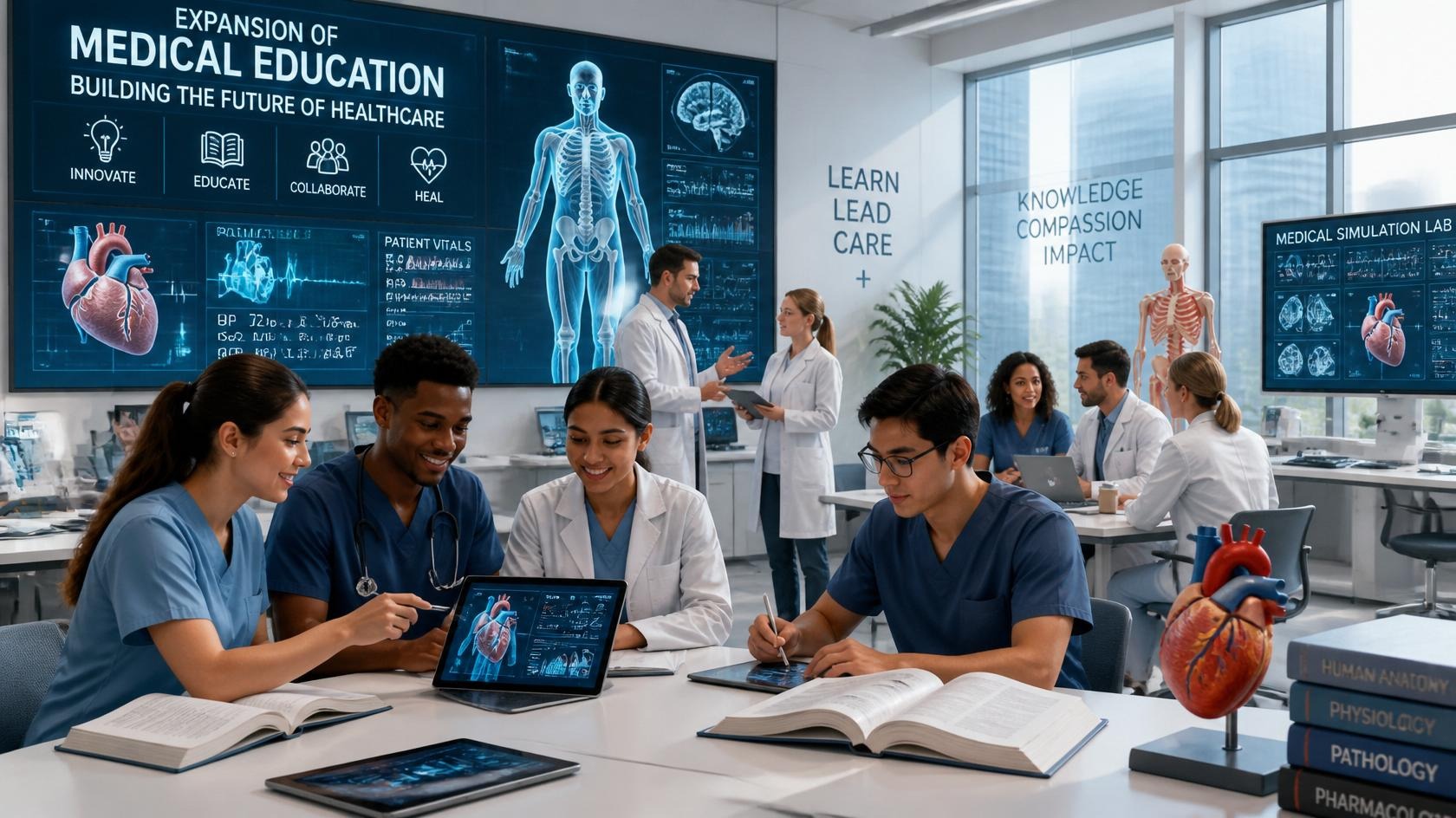
The expansion of medical education is no longer just an academic goal. It is a global necessity. By opening more medical colleges, reforming outdated curricula, and adopting digital medical learning, we can prepare the next generation of doctors, nurses, and specialists to meet tomorrow’s demands.
This article explores why we must expand medical training, the challenges we face, the role of digital innovations, and what this growth means for students and global health systems.
What is Medical Education?
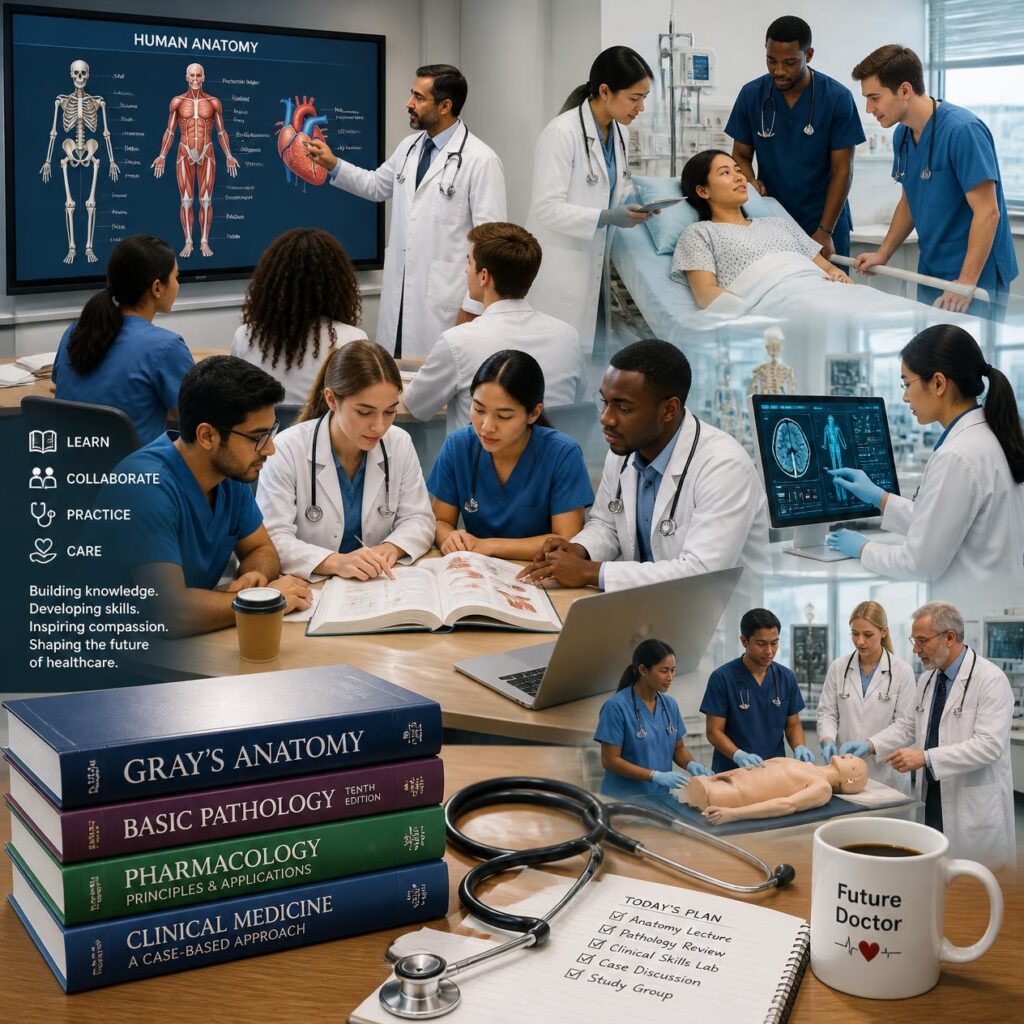
At its core, healthcare education is the structured training used to prepare individuals to become licensed healthcare professionals. It is a lifelong journey that spans several distinct phases:
- Undergraduate Education: The foundational years where students earn their primary medical degrees (such as MBBS or MD).
- Postgraduate Training: Specialized residency and fellowship programs where doctors train in specific fields like pediatrics, cardiology, or general surgery.
- Continuing Medical Education (CME): The lifelong learning and professional development required for practicing clinicians to keep their licenses and stay updated on clinical guidelines.
Historically, this training relied heavily on classroom lectures, textbook learning, and direct bedside teaching. Today, it has evolved into a dynamic blend of scientific theory, hands-on clinical practice, and digital simulation.
Why Medical Education Needs Expansion
The demand for healthcare services is growing much faster than the supply of trained professionals. Several key factors are driving the urgent need for the expansion of medical education:
Severe Global Shortages
According to the World Health Organization (WHO), the world faces a projected shortfall of 11 million health workers by 2030. This shortage is felt most acutely in low- and middle-income nations, but even developed countries struggle to staff rural clinics and primary care facilities.
An Aging Population
Globally, people are living longer. While this is a triumph of modern medicine, an aging population means a higher prevalence of complex, chronic conditions like heart disease, diabetes, and dementia. Managing these conditions requires a much larger and more specialized workforce.
Rural-Urban Healthcare Disparities
Most medical graduates choose to practice in major cities. This leaves rural and remote areas with highly limited access to care. Expanding local training facilities in underserved areas is the most effective way to encourage doctors to practice where they are needed most
Rapid Scientific and Technological Shifts
From genomic medicine to robotic surgery, the science of medicine is advancing at lightning speed. To use these tools safely, students need to learn them early. Our current educational pipelines must expand to teach these new disciplines.
Current Challenges in Medical Education
While the need to grow is clear, expanding medical training is incredibly difficult. Educational institutions face several major roadblocks:
High Costs and Resource Limitations
Building and running a medical school is incredibly expensive. It requires specialized science laboratories, high-tech lecture halls, extensive libraries, and partnerships with fully functional teaching hospitals.
Shortage of Qualified Faculty
You cannot train new doctors without experienced teachers. A major bottleneck in opening new medical colleges is the lack of qualified clinical faculty. Many senior clinicians choose full-time private practice over lower-paying academic roles.
Outdated Curricula
Many medical schools still rely on memorization-heavy models developed decades ago. Modern healthcare requires a shift toward competency-based education, where students are assessed on practical skills and clinical reasoning rather than their ability to pass written tests.
Burnout and Mental Health Issues
The journey to becoming a doctor is notoriously stressful. Long hours, high academic pressure, and exposure to human suffering contribute to high rates of anxiety and depression among medical students. Any expansion plan must also address student well-being.
Government Initiatives and Policy Reforms
Recognizing these challenges, governments around the world are rolling out historic medical education reforms.
Relaxing Infrastructure Norms: Regulatory bodies are updating their guidelines. They now allow modern digital resources and shared hospital facilities to count toward accreditation, reducing the physical footprint required to open a school.
Public-Private Partnerships (PPP): Governments are partnering with private healthcare groups to convert district hospitals into functional teaching colleges. This dramatically lowers start-up costs.
Standardized National Exams: Countries are introducing unified licensing exams (like the USMLE in the US or NEXT in India) to ensure that even as the number of schools grows, the quality of graduates remains high and consistent.
Growth of Medical Colleges and Universities
he physical expansion of training facilities is happening rapidly across both public and private sectors.
According to market analyses, the global medical education service market was valued at USD 30.2 Billion in 2025 and is projected to reach USD 48.5 Billion by 2034, growing at a steady compound annual growth rate (CAGR) of 5.2%.
| ndicator | Traditional Model | Modern Expanded Model |
| Primary Location | Large urban medical centers | Distributed community and regional clinics |
| Class Size Limits | Strict physical classroom capacity | Scalable through hybrid and digital learning |
| Teaching Focus | Passive lectures & rote memory | Active clinical simulation & competency tasks |
| Primary Resources | Hardcopy libraries & cadavers | Digital anatomy tools, VR, & virtual libraries |
This growth is especially rapid in the Asia-Pacific region, driven by massive student populations and active government support.
. Digital Learning, AI, and Simulation-Based Training
Technology is the ultimate force-multiplier in expanding access to education. Digital medical learning allows institutions to train more students, more effectively, without needing massive physical campuses.
Immersive Simulation-Based Training
Before performing a procedure on a real patient, students can now practice on high-fidelity manikins that mimic human physiological responses—like bleeding, pupil dilation, and cardiac arrest.
Virtual Reality (VR) and Augmented Reality (AR)
VR headsets let students step inside a virtual operating room or view a fully 3D interactive model of the human nervous system. This makes learning complex anatomy much faster and more intuitive than using flat textbooks.
Artificial Intelligence in Learning
AI acts as a personalized, 24/7 tutor. AI-driven platforms can assess a student’s weak points—such as diagnosing a specific type of heart murmur—and automatically generate targeted practice cases to help them improve.
Benefits of Expanding Medical Education
Investing in the growth of medical schools delivers massive returns across all levels of society:
Improved Healthcare Access: More graduates mean shorter wait times, more clinics in rural areas, and better preventive care for patients.
Economic Vitality: Every new medical college creates local jobs for educators, researchers, and support staff, while boosting nearby businesses.
Stronger Pandemic Preparedness: A larger, more adaptable workforce ensures that healthcare systems do not collapse during sudden public health emergencies.
Better Patient Safety: High-tech simulation training ensures that students perfect their manual skills in a zero-risk environment before treating real patients.
Impact on Healthcare Systems
The expansion of training pipelines directly transforms how clinical care is delivered:
Shift to Interprofessional Care: Modern medical education focuses on team-based training. Doctors, nurses, pharmacists, and therapists learn together, leading to better communication and fewer medical errors in the real world.
Lowering Clinician Burnout: By closing the workforce gap, we reduce the grueling 24-hour shifts that lead to chronic stress, exhaustion, and early retirement among healthcare workers.
Integrating Tech into Daily Care: Because new graduates are trained using digital platforms, they easily adopt telemedicine, electronic health records, and AI diagnostic tools in their daily practice
Opportunities for Students
For aspiring healthcare professionals, this expansion is creating an incredibly exciting landscape:
More Available Seats: With new universities opening and online learning capacities expanding, getting accepted into a medical program is becoming more achievable for qualified candidates.
Flexible, Diverse Career Paths: Students are no longer limited to traditional clinical practice. A modern medical background opens doors to health-tech startups, biomedical research, public health policy, and medical journalism.
Lifelong Learning Ecosystems: Mobile-friendly Continuing Medical Education (CME) platforms allow working professionals to easily learn new skills, pick up micro-credentials, and advance their careers on their own schedules.
Future Trends in Medical Education
As we look toward the horizon, several major trends are set to define the next decade of medical training:
The Rise of Microlearning
Rather than sitting through long, two-hour lectures, students will consume bite-sized, 10-minute interactive modules. Studies show that microlearning can improve knowledge retention by up to 20%.
Personalized, Adaptive Learning Paths
Using AI, curriculums will dynamically adapt to a student’s individual learning speed, fast-tracking topics they master quickly and providing extra support where they struggle.
Focus on Genomic and Precision Medicine
As personalized healthcare becomes standard, medical education will shift away from “one-size-fits-all” treatments toward teaching students how to tailor therapies based on a patient’s unique genetic profile.
Telemedicine and Virtual Care Training
The clinics of the future will rely heavily on remote care. Medical students will be formally trained in “webside manner”—how to conduct virtual exams, read remote patient monitoring data, and build trust over a screen.
Frequently Asked Questions
Why is the expansion of medical education so important right now?
The world is facing a projected shortage of 11 million healthcare workers by 2030. At the same time, aging populations and chronic illnesses are driving up the demand for medical care, making it essential to train more professionals quickly.
How does digital learning help expand medical training?
Digital platforms and online courses allow universities to enroll up to 40% more students without needing to build massive new lecture halls. They also give students access to high-quality learning materials regardless of their physical location.
What is simulation-based training?
Simulation-based training uses interactive computer programs, virtual reality, and high-tech manikins to let students practice clinical procedures safely. It allows them to make and learn from mistakes without risking patient safety.
Will expanding medical colleges lower the quality of education?
No. By introducing standardized licensing exams, strict accreditation rules, and high-fidelity simulation training, regulatory bodies can maintain high standards even as the number of graduates increases.
What are the main obstacles to opening new medical schools?
The primary challenges are high building costs, a shortage of qualified medical faculty to teach courses, and the difficulty of securing partnerships with high-quality teaching hospitals.
How can governments help expand medical training?
Governments can fund new public universities, ease infrastructure rules, create public-private partnerships, and offer financial aid or scholarships to students from underserved communities.
Conclusion
12. Conclusion
The expansion of medical education is the absolute cornerstone of building a resilient, sustainable future for global healthcare. By building new colleges, embracing digital learning innovations, and reforming outdated curriculums, we can successfully address the critical healthcare worker shortage.
While the challenges of high costs and faculty shortages are real, the benefits—healthy communities, stronger economies, and better-prepared systems—are far too important to ignore.
Call to Action
Are you an educator, student, or policymaker ready to shape the future of medical training?
- For Educators: Share this article with your colleagues and start a conversation on how your institution can integrate simulation and digital tools.
- For Students: Explore modern, hybrid medical programs that leverage VR and AI to prepare you for tomorrow’s clinical landscape.
- For Policymakers: Prioritize public-private funding initiatives that make medical training accessible to rural and underserved communities.
Internal Linking Opportunities (Suggestions)Link to your existing article on: The Role of AI in Modern Medicine (Anchor: “AI diagnostic tools”)
Link to your existing article on: Understanding Clinician Burnout (Anchor: “exhaustion, and early retirement”)
Link to your existing article on: A Guide to Telehealth and Virtual Care (Anchor: “Telemedicine and Virtual Care Training”)
Authoritative External Sources
- World Health Organization (WHO): Global Health Workforce Statistics and projections.
- Association of American Medical Colleges (AAMC): Reports on physician shortages and educational standards.
- National Institutes of Health (NIH): Studies exploring the effectiveness of VR and simulation in medical training.
- The Lancet – Global Health: Research papers on healthcare workforce development in lower-income countries.