

Introduction
The world of work is evolving faster than ever before. Technological advancements, automation, artificial intelligence, globalization, and digital transformation are reshaping industries and creating new career opportunities. To thrive in this dynamic environment, students need more than traditional academic knowledge. They require critical thinking, adaptability, collaboration, creativity, and digital literacy.
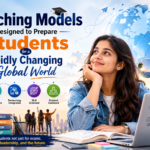
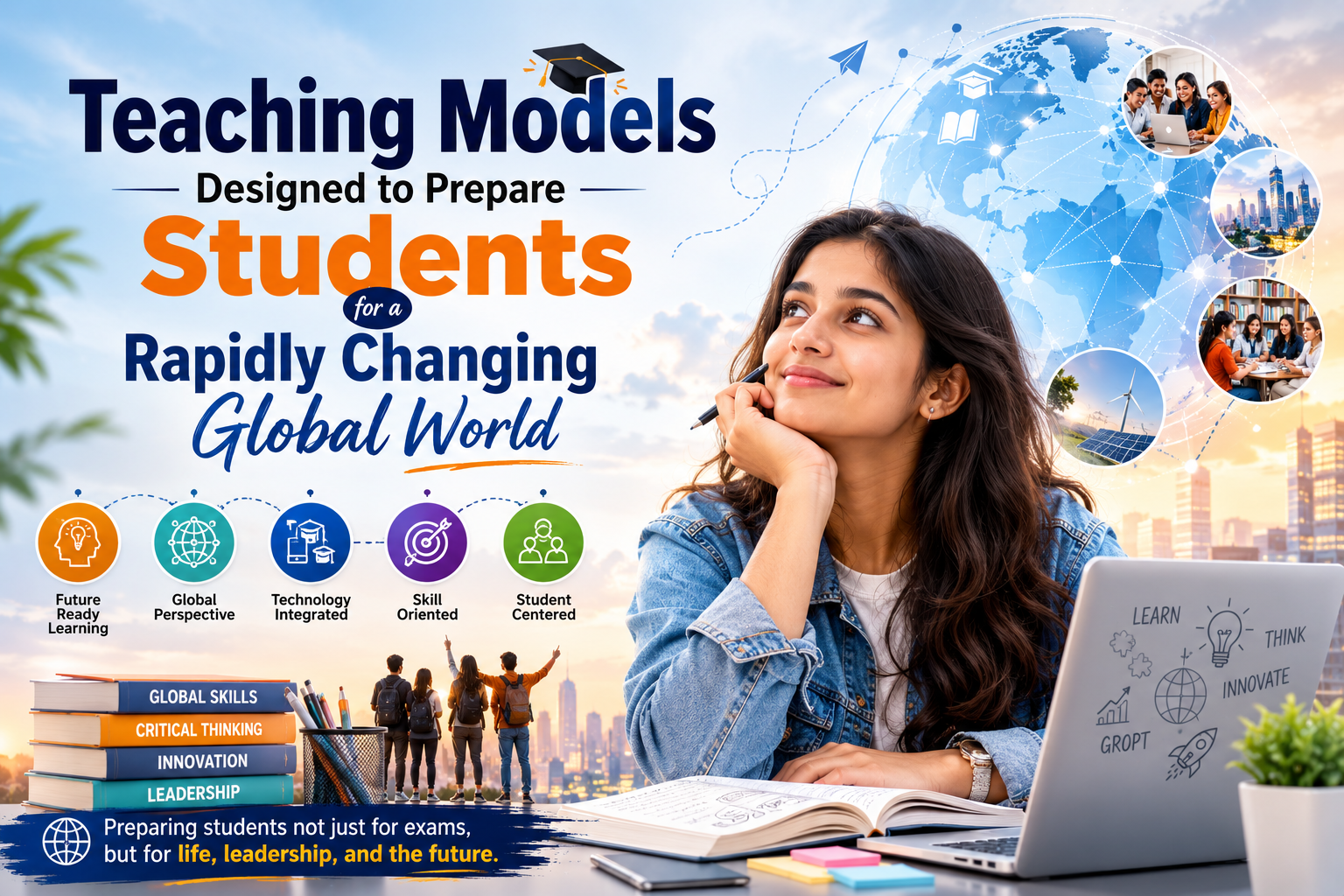
Teaching models designed to prepare students for a rapidly changing global workforce focus on developing these future-ready skills. Modern educational institutions are shifting from conventional lecture-based instruction to innovative learning approaches that encourage problem-solving, real-world application, and lifelong learning.
In this article, we explore the most effective teaching models that help students succeed in the modern workforce and prepare for careers that may not even exist today.
Why Traditional Education Needs Transformation
Traditional education systems were primarily designed to prepare students for industrial-era jobs. While foundational knowledge remains important, today’s employers seek candidates who can:
- Adapt to changing technologies
- Work effectively in diverse teams
- Solve complex problems
- Communicate clearly
- Think critically and creatively
- Learn continuously throughout their careers
As workplace demands evolve, educational institutions must adopt teaching strategies that align with the skills required in the 21st-century economy.
Key Teaching Models for Future Workforce Preparation
1. Project-Based Learning (PBL)
Project-Based Learning places students at the center of the learning process. Instead of memorizing information, students work on real-world projects that require research, collaboration, and problem-solving.
Benefits:
- Develops critical thinking skills
- Encourages teamwork and communication
- Promotes creativity and innovation
- Connects classroom learning with real-world challenges
For example, students may design sustainable business solutions, create digital applications, or develop community improvement projects that mirror workplace scenarios.
2. Competency-Based Learning
Competency-Based Learning focuses on mastery of skills rather than time spent in the classroom. Students progress at their own pace after demonstrating proficiency in specific competencies.
Benefits:
- Personalized learning experience
- Strong skill development
- Increased learner confidence
- Better alignment with industry requirements
This model ensures students acquire practical knowledge and workplace-relevant abilities before moving forward.
3. Collaborative Learning
Modern workplaces rely heavily on teamwork. Collaborative learning encourages students to work together on assignments, discussions, and projects.
Benefits:
- Builds leadership skills
- Improves communication abilities
- Enhances conflict-resolution skills
- Prepares students for diverse work environments
Students learn how to share ideas, solve problems collectively, and contribute effectively to team success.
4. Inquiry-Based Learning
Inquiry-Based Learning encourages students to ask questions, investigate problems, and discover solutions independently.
Benefits:
- Promotes curiosity
- Strengthens research skills
- Encourages independent thinking
- Develops analytical abilities
This approach mirrors the problem-solving processes commonly used in professional environments.
5. Blended Learning
Blended Learning combines traditional classroom instruction with digital learning technologies.
Benefits:
- Enhances digital literacy
- Provides flexible learning opportunities
- Supports personalized instruction
- Encourages self-directed learning
Students become comfortable using technology platforms and digital tools that are increasingly common in modern workplaces.
6. Experiential Learning
Experiential Learning focuses on learning through direct experience, internships, simulations, and practical activities.
Benefits:
- Real-world skill development
- Improved career readiness
- Better understanding of workplace expectations
- Enhanced confidence and decision-making abilities
Internships and industry partnerships provide valuable exposure to professional environments before graduation.
Essential Workforce Skills Developed Through Modern Teaching Models
Critical Thinking
Students learn to analyze information, evaluate evidence, and make informed decisions in complex situations.
Digital Literacy
Technology is integrated into nearly every profession. Students develop skills in digital communication, data analysis, and technology usage.
Creativity and Innovation
Modern teaching methods encourage students to think creatively and develop innovative solutions to real-world problems.
Communication Skills
Effective communication remains one of the most sought-after workplace competencies. Students learn written, verbal, and presentation skills.
Adaptability
Future workers must be flexible and open to continuous learning as industries evolve.
Global Awareness
Students gain an understanding of international perspectives, cultural diversity, and global business environments.
The Role of Technology in Future-Focused Education
Technology plays a significant role in preparing students for the future workforce. Educational institutions increasingly use:
- Artificial Intelligence tools
- Virtual classrooms
- Learning Management Systems (LMS)
- Interactive simulations
- Data analytics platforms
- Online collaboration tools
These technologies help students gain practical experience with digital systems used across industries worldwide.
Benefits of Future-Ready Teaching Models
Implementing modern teaching approaches offers numerous advantages:
For Students
- Improved employability
- Enhanced career readiness
- Stronger problem-solving abilities
- Greater confidence in professional settings
For Employers
- Access to highly skilled graduates
- Reduced training requirements
- Improved workforce productivity
- Better innovation capabilities
For Society
- Economic growth
- Increased workforce competitiveness
- Greater adaptability to technological change
- Stronger global participation
Challenges in Implementation
While future-focused teaching models offer many benefits, educational institutions may face challenges such as:
- Technology infrastructure requirements
- Teacher training needs
- Curriculum redesign
- Resource limitations
- Assessment adjustments
Addressing these challenges requires collaboration between educators, policymakers, industry leaders, and communities.
Conclusion
Teaching models designed to prepare students for a rapidly changing global workforce are essential for success in the modern economy. Approaches such as Project-Based Learning, Competency-Based Learning, Collaborative Learning, Inquiry-Based Learning, Blended Learning, and Experiential Learning help students develop critical skills that employers value.
As technology continues to transform industries and create new opportunities, educational institutions must embrace innovative teaching strategies that foster adaptability, creativity, critical thinking, and lifelong learning. By doing so, they can empower students to thrive in an increasingly complex and interconnected global workforce.
Investing in future-ready education today ensures a more skilled, resilient, and successful workforce for tomorrow.